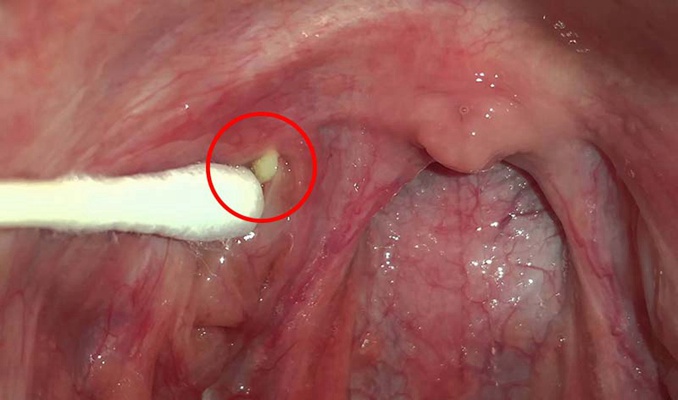
You wake up. The first conscious sensation isn’t the light peeking through the blinds or the sound of birds. It’s a vague, gritty feeling in your throat—a parched, scratchy desert where a functional airway should be. You swallow, and it feels like sandpaper. Your first instinct is to reach for the glass of water on your nightstand, and while that brings momentary relief, the dryness is a persistent, recurring character in your morning story.
You might brush it off as simple thirst, dehydration, or “sleeping with your mouth open.” But what if that morning desert-throat is less about what you didn’t drink and more about what you didn’t do while you were asleep? It’s often a quiet signal, a clue to a process happening in the dark, silent hours of the night.
Think of your throat, sinuses, and mouth as a delicate, humidified ecosystem. During the day, you swallow, talk, drink, and breathe (mostly) through your nose, which naturally warms and moistens the air. A steady production of saliva and mucous keeps everything lubricated and protected. But at night, the rulebook changes. Many of our conscious maintenance activities stop, and the environment becomes vulnerable to takeover by a few key, overlooked processes.
Here’s what that chronic morning dryness is likely signaling:
1. It’s a White Flag from Your Nasal Passages (You’re a Mouth-Breather)
This is the prime suspect. Nasal breathing is the designed air intake system. Your nose acts as a sophisticated HVAC unit: it filters, warms, and humidifies incoming air. Mouth breathing, on the other hand, is the emergency backup—it allows large volumes of cool, dry, unfiltered air to rush directly over the soft tissues of your throat and mouth, evaporating moisture at a rapid rate.
Why would you switch to mouth breathing at night?
- Congestion: Allergies, dust in the bedroom, a deviated septum, or a lingering cold can stuff up your nose, forcing your body to choose mouth-breathing or suffocation.
- The Anatomy of Sleep: As you drift into deep sleep, the muscles in your throat and tongue relax. For some, this relaxation can partially obstruct the airway at the back of the throat. Your brain, desperate for oxygen, unconsciously orders the jaw to drop and the mouth to open to get more air. This is a hallmark of snoring and its more serious cousin, obstructive sleep apnea (OSA). Waking up with a bone-dry mouth and throat is one of the most common, telltale signs of sleep-disordered breathing.
2. It’s a Receipt from Last Night’s “Nightcap” (The Deception of Alcohol)
That glass of wine or whiskey before bed might feel relaxing, but it’s a double agent for your throat. Alcohol is a potent muscle relaxant and a diuretic.
- As a relaxant, it causes the muscles in your throat to collapse even more than usual, exacerbating snoring and mouth-breathing.
- As a diuretic, it prompts fluid loss, contributing to systemic dehydration that manifests starkly in your already vulnerable mucous membranes.
The result? You pay for the nightcap with a morning throat that feels like it hosted a dust storm.
3. It’s a Silent Alarm from Your Humidity Gauge (The Desert Bedroom)
Especially in winter, or in arid climates, your bedroom air can become shockingly dry. Central heating and air conditioning are notorious for sucking moisture out of the air. You’re then spending 7-8 hours breathing this moisture-starved air, which acts like a sponge on your throat’s natural lubrication. The overlooked habit here is not viewing your bedroom’s air quality as a part of your sleep hygiene.
4. It’s a Side Effect of Your Medication Cabinet
Many common medications list “dry mouth” (xerostomia) as a side effect. These include:
- Antihistamines (for allergies)
- Decongestants
- Many antidepressants and anti-anxiety medications
- Blood pressure medications (like diuretics)
- Medications for overactive bladder
If you take any of these in the evening, the effect will be in full force by morning. Your body’s natural saliva production is chemically dialed down.
5. It’s a Whisper About Aging (The Natural Slowdown)
Saliva production naturally decreases as we age. Combine this with an increased likelihood of medication use and changes in sleep architecture (more frequent awakenings, lighter sleep), and it’s a perfect recipe for morning dryness.
6. It Could Be a Signal of Silent Reflux (LPR)
Acid reflux isn’t always heartburn. In Laryngopharyngeal Reflux (LPR), or “silent reflux,” stomach acid creeps up into the throat and voice box while you’re lying down. This acid is incredibly irritating and drying to the delicate throat tissues. Your body’s response to the irritation can be to increase mucus production, leading to the sensation of a lump in the throat or the need to clear it, but the acid itself creates a dry, irritated baseline. Waking up with hoarseness and dryness is a classic LPR clue.
From Clue to Cure: How to Rehydrate Your Mornings
Don’t just accept the sandpaper greeting. Become a detective and a solutions-engineer for your own throat.
- Investigate Your Breathing: This is step one. Try a simple experiment: use hypoallergenic medical tape (like paper surgical tape) to gently keep your lips closed at night. If you wake up with it on and your throat feels better, mouth-breathing was your culprit. If you rip it off in your sleep, your body was fighting for air, pointing strongly toward nasal congestion or sleep apnea. Consider seeing an ENT or a sleep specialist.
- Humidify Your World: Get a cool-mist humidifier for your bedroom. Clean it weekly to prevent mold. Aim for a relative humidity of around 40-50%.
- Reconsider the Nightcap: Avoid alcohol for at least 3 hours before bedtime. Notice if your throat feels markedly better after a few dry nights.
- Hydrate Strategically: Drink plenty of water throughout the day. Chugging a gallon before bed will just send you to the bathroom. Consider a small sip of water mixed with a teaspoon of aloe vera juice (internally safe) before bed—it’s soothing and coating.
- Review Your Meds: Talk to your doctor about the timing of your medications or if alternatives with fewer drying side effects are available. Never stop a medication without consulting your doctor.
- The Elevation Tactic: If you suspect silent reflux, try elevating the head of your bed by 4-6 inches using sturdy blocks under the bedposts (extra pillows just bend your neck and can make it worse). Avoid eating within 3 hours of bedtime.
That morning dryness is more than an inconvenience. It’s a report card on how your night went. It’s telling you about the air you breathed, the way you breathed it, and what was happening in the hidden passages of your throat while you were defenseless. By listening to this gritty signal, you can do more than just moisten your throat—you can uncover hidden issues that affect your sleep quality, energy levels, and long-term health. A well-hydrated morning starts with a well-managed night.