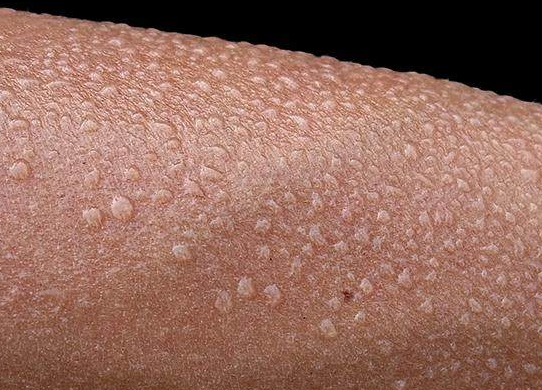
Sweating a lot at night? Your endocrine system might be sending you a message. And no, it’s not just a memo about your thermostat.
Picture this: it’s 3 a.m. You’re in the middle of a perfectly pleasant dream—maybe you’re on a quiet beach, or finally organizing that garage—when suddenly, you’re not. You’re awake, clammy, and swimming in a puddle of your own making. The sheets are damp, your pajamas are plastered to your skin, and your first, groggy thought is, “Good grief, is it a hundred degrees in here?” You fumble for the covers, kick them off, and lie there in the dark, wondering if you’ve accidentally run a marathon in your sleep.
If this scene sounds familiar, you’re in good company. Night sweats are a common, and profoundly annoying, visitor for many adults, especially as we move into our 40s, 50s, and beyond. While often dismissed as “just one of those things,” they can be a fascinating—and sometimes important—flag from your body’s internal communication network: the endocrine system.
Think of your endocrine system not as a single organ, but as a vast, old-fashioned switchboard. It’s a network of glands (like the pituitary, thyroid, adrenals, ovaries, and testes) that produce hormones—chemical messengers that travel through your bloodstream to every corner of your body, delivering instructions. They regulate your metabolism, mood, growth, reproduction, and, crucially, your internal temperature.
When you experience a true night sweat—not just feeling a bit warm because the duvet is too thick—it’s often because a hormone has picked up the phone on that switchboard and dialed your body’s internal thermostat, turning it up way past “comfortable.”
So, who are the usual suspects on this hormonal hotline? Let’s meet the cast of characters.
The Perimenopause and Menopause Power Surge (For Women)
This is the headline act for many. As a woman approaches menopause (a phase called perimenopause), the ovaries begin their gradual retirement. They start producing estrogen and progesterone in a far less predictable, often sputtering, rhythm. Think of it less like a steady stream and more like a faulty tap: sometimes a trickle, sometimes a gush, sometimes nothing at all.
These hormones are deeply involved in regulating the body’s temperature control center in the hypothalamus (a tiny but mighty region of your brain). When their levels dip erratically, the hypothalamus gets confused. It mistakenly thinks you’re overheating and launches its cooling protocol: it dilates blood vessels near the skin (the “flush”) and triggers a massive sweat to cool you down. This can be spectacularly effective and spectacularly unpleasant, day or night. For many women, night sweats are the main event, strong enough to soak bedding and disrupt sleep for years.
The Androgen Adjustment (For Men)
Gentlemen, you don’t get a free pass here. While not as dramatically tied to a single life event as female menopause, men experience a gradual, age-related decline in testosterone, sometimes called “andropause” or late-onset hypogonadism. Testosterone plays a role in sleep regulation and body composition. Lower levels can contribute to an increase in body fat and a decrease in muscle mass. This shift can affect how your body regulates temperature. Furthermore, sleep disruptions from other causes can further lower testosterone, creating a frustrating cycle. While not always the primary cause, it’s a hormonal factor doctors will often consider.
The Thyroid Thermostat Gone Haywire
Whether you’re a man or a woman, your thyroid gland is the master controller of your metabolism. This butterfly-shaped gland in your neck produces hormones that tell your cells how fast to work. If it becomes overactive (hyperthyroidism), it’s like someone cranked the dial on every furnace in your body. Your metabolism goes into overdrive. Your heart might race, you might feel anxious, lose weight inexplicably, and yes—you will feel intolerably hot and sweat profusely, day and night. Your body is literally burning energy at an unsustainable rate, and sweating is its desperate attempt to cool down the engine.
The Blood Sugar Rollercoaster (Hypoglycemia)
Here’s one many people don’t consider, especially relevant for those managing diabetes with insulin or certain medications. If your blood sugar drops too low during the night (nocturnal hypoglycemia), your body perceives it as a crisis. To rescue you, it releases a flood of stress hormones—chiefly adrenaline (epinephrine). Adrenaline’s job is to mobilize energy stores fast, and a classic side effect of this “fight or flight” surge is… sweating. Waking up drenched, shaky, confused, and hungry can be a sign of nighttime lows.
The Stress Hormone After-Party
Speaking of stress hormones, let’s talk about cortisol. Normally, cortisol follows a beautiful daily rhythm: high in the morning to help you get out of bed, gradually tapering off to reach its lowest point around midnight. Chronic stress, anxiety, or certain disorders (like Cushing’s syndrome) can completely scramble this rhythm. If your cortisol levels are out of whack at night, it can keep your body in a state of heightened alert, disrupting sleep and potentially contributing to sweating. Furthermore, the sheer physical process of withdrawing from the day’s built-up cortisol can sometimes trigger a sweat response.
Beyond the Endocrine: Other Nighttime Party Crashers
While the endocrine system is a prime suspect, it’s not the only one. A good detective keeps an open mind.
- Infections: The body often uses a fever to fight off invaders. Night sweats are a classic symptom of infections like tuberculosis, endocarditis (heart valve infection), and even the flu or COVID-19.
- Medications: Many common drugs can list night sweats as a side effect. These include certain antidepressants (SSRIs, tricyclics), diabetes medications, hormone therapies, and even some over-the-counter fever reducers like aspirin or acetaminophen.
- Obstructive Sleep Apnea: When you stop breathing, your body experiences a mini panic attack, releasing adrenaline to jolt you awake to breathe. That adrenaline surge can come with a side of sweat.
- Other Conditions: Certain cancers (like lymphoma), autoimmune disorders, and neurological conditions can also have night sweats as a symptom.
What To Do When You’re Swimming in Your Sleep
First, don’t panic. Occasional night sweats in a warm room are normal. But if they are frequent, drenching, and interfering with your life, it’s time to play detective and see your doctor.
- Become a Sleep Journalist: Before your appointment, keep a log. Note the frequency and severity of the sweats. What did you eat or drink before bed? Any alcohol? What’s your stress level? Are you on any new medications? This log is gold for your doctor.
- Cool Your Core, Not Just Your Room: Start with your sleep environment. Use moisture-wicking pajamas and bedding (think bamboo or technical fabrics). Consider a chilling mattress pad or a bedside fan. Keep the room cold.
- Mind Your Evening Intake: Avoid triggers. Spicy foods, caffeine, and alcohol (especially red wine) are notorious for dilating blood vessels and can trigger sweats in susceptible people.
- The Power of Layers: Instead of one heavy duvet, use layers of blankets you can easily kick off. This gives you precise control.
- See Your Doctor – And Come Prepared: This is the most important step. Your doctor will likely review your history, do a physical exam, and may order blood tests to check:
- Thyroid function (TSH, T4)
- Sex hormones (estradiol, FSH, LH for women; testosterone for men)
- Blood sugar markers (HbA1c, fasting glucose)
- Infection or other markers depending on your symptoms
This helps pinpoint if the switchboard is, in fact, the source of the crossed wires.
The goal isn’t to just endure the damp nights. Night sweats are a signal—a message in a bottle from your inner sea. They might be telling you about a natural transition, like menopause, that can be managed with lifestyle changes, hormone therapy, or other treatments. Or, they could be pointing to an underlying condition that needs attention.
Listening to that message is an act of self-care. By tuning into your endocrine system’s broadcasts, you can often find the right adjustment—a tweak in medication, a new bedtime routine, or a specific treatment—that lets you (and your sheets) stay dry, so you can finally get back to that dream about the perfectly organized garage. And that’s a dream worth sleeping for.